 By Vineet Kumar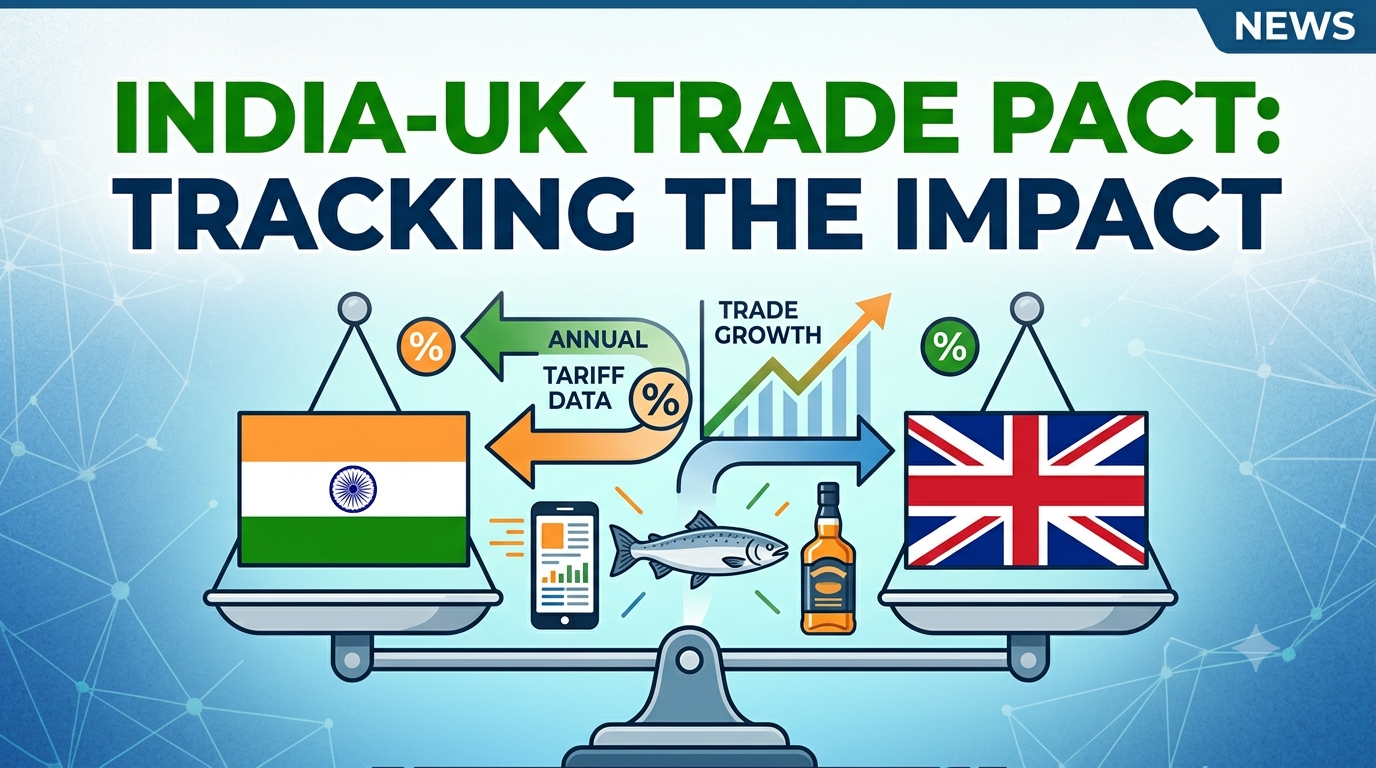
India and the United Kingdom have agreed to exchange tariff data every year to track how businesses are using the benefits available under their new trade pact. The arrangement is intended to give both governments a clearer view of trade flows, tariff use and the practical impact of preferential market access.
The decision was discussed at the 16th meeting of the Joint Economic and Trade Committee, or JETCO, where officials reviewed progress in bilateral trade and outlined areas for further cooperation. The next JETCO meeting is scheduled to take place in the UK in 2027, giving both sides an opportunity to assess developments and consider any further implementation priorities.
Why the annual tariff data exchange matters
Regular data sharing can help India and the UK understand whether exporters are making effective use of the preferential tariff arrangements available under the India-UK Comprehensive Economic and Trade Agreement, or CETA. A trade agreement may reduce duties on eligible products, but businesses still need to understand the rules, documentation requirements and conditions that apply before they can claim those benefits.
Annual tariff data could therefore provide more than a simple record of imports and exports. It may help officials identify which sectors are using the agreement successfully and where companies are not yet taking advantage of the available concessions. If some industries show limited use, the information could encourage more focused guidance, better communication or further discussion between authorities and business groups.
For companies, clearer information about tariff use may improve visibility into the agreement’s commercial effects. Exporters and importers can compare expected benefits with actual trade activity, while policymakers can examine whether the pact is supporting broader participation across different industries and business sizes.
Early trade flows show growing opportunities
Initial exports linked to the agreement include products such as smartphones, salmon and whisky. These shipments highlight the range of industries that could benefit as companies become more familiar with the pact’s rules and reduced-duty opportunities.
The variety of products is also significant because it shows that the relationship is not limited to a single sector. Technology-related goods, food products and beverages each involve different commercial considerations, including supply chains, product standards, customs procedures and consumer demand. Tracking these categories over time can help show where the agreement is creating momentum and where additional practical support may be needed.
However, early shipments do not by themselves reveal the full impact of a trade pact. Businesses may need time to adjust contracts, update supply arrangements and confirm whether individual products meet the relevant requirements. Annual reporting can help build a longer-term picture rather than relying only on the first transactions after implementation.
What businesses may watch closely
Companies trading between India and the UK will likely pay close attention to eligibility, documentation and the practical use of CETA-related tariff concessions. The ability to claim a reduced tariff generally depends on meeting the agreement’s applicable conditions, so businesses may need accurate product information and consistent records.
Importers and exporters may also monitor whether customs processes remain straightforward as trade volumes grow. Clear procedures can reduce uncertainty and help businesses estimate the cost and timing of cross-border shipments. For smaller companies, accessible guidance may be especially important because they may have fewer resources available for managing complex international trade requirements.
Data from the annual exchange could also help businesses understand changing patterns in demand. If certain product categories show stronger growth, companies may see opportunities to expand distribution or develop new commercial partnerships. At the same time, weaker use in another category could indicate the need to address pricing, awareness, standards or administrative barriers.
JETCO’s role in monitoring progress
During the JETCO discussions, India and the UK reviewed trade developments and considered new priorities for strengthening commercial ties. The committee provides a framework for officials to examine progress, discuss implementation issues and identify areas where cooperation can be improved.
The annual tariff data exchange is expected to support that monitoring process. Rather than evaluating the agreement only through general trade totals, officials will have an additional way to examine how businesses are using specific tariff arrangements. This can make future discussions more focused and help both sides distinguish between overall trade growth and the direct use of the pact’s benefits.
The information may also support more informed preparation for the next JETCO meeting in 2027. By reviewing a full year of data, officials could identify notable changes, emerging sectors and recurring questions from businesses. Those findings may shape future guidance or become part of wider conversations about bilateral economic cooperation.
What happens next?
Officials are expected to continue monitoring trade flows and implementation issues before the next JETCO meeting. Businesses will likely watch for further guidance on eligibility, documentation and the practical use of CETA-related tariff concessions as more shipments move between the two markets.
The quality and usefulness of the annual exchange will depend on how the information is collected, compared and communicated. Consistent reporting can make it easier to identify meaningful trends, while clear explanations can help businesses understand what the figures mean for their own operations. The process may also reveal areas where exporters need additional assistance to use the agreement effectively.
For India and the UK, the initiative represents an effort to connect trade policy with real business activity. By examining tariff use each year, both countries can gain a better understanding of whether the agreement is delivering practical benefits and where further work may be required.
Conclusion
India and the UK’s decision to exchange tariff data annually is designed to provide a clearer assessment of their new trade pact. Early exports, including smartphones, salmon and whisky, point to opportunities across several industries, while the longer-term data may show how widely businesses are using preferential tariff arrangements.
As implementation continues, companies will remain focused on eligibility, paperwork, customs processes and market demand. The next JETCO meeting in 2027 should provide an important opportunity to review the evidence collected and discuss the next stage of bilateral trade cooperation.
Disclaimer: This post is strictly for educational and informational purposes only. Trading Thought is not a SEBI registered advisor. The analysis provided does not constitute financial, investment, or trading advice. Please consult with a certified financial professional before making any investment decisions.